
VIBRATION & ACCELERATION
SANCOT 尚科传感
Focused on vibration. Connected to measurement.
From dynamic testing to industrial monitoring, find the sensor that fits your measurement.
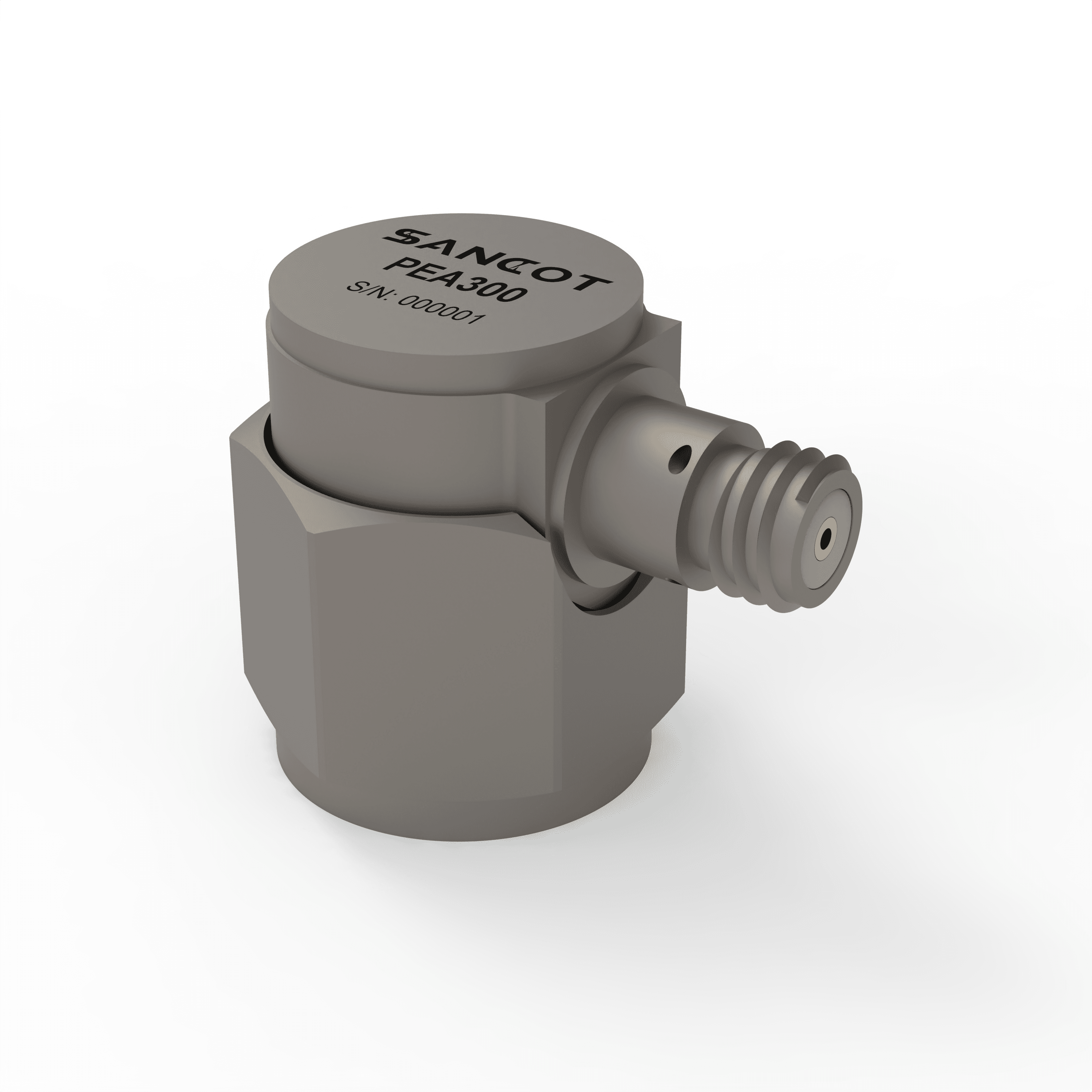 01 / PEA300
01 / PRODUCTS
Start with the measurement.
Explore sensing technologies and application requirements to guide your selection.
PIEZOELECTRIC
Capture motion. Understand vibration.
For modal analysis, vibration control and general dynamic testing. Consider range, frequency response, mass and mounting requirements.
- Dynamic acceleration
- IEPE output
- Single axis
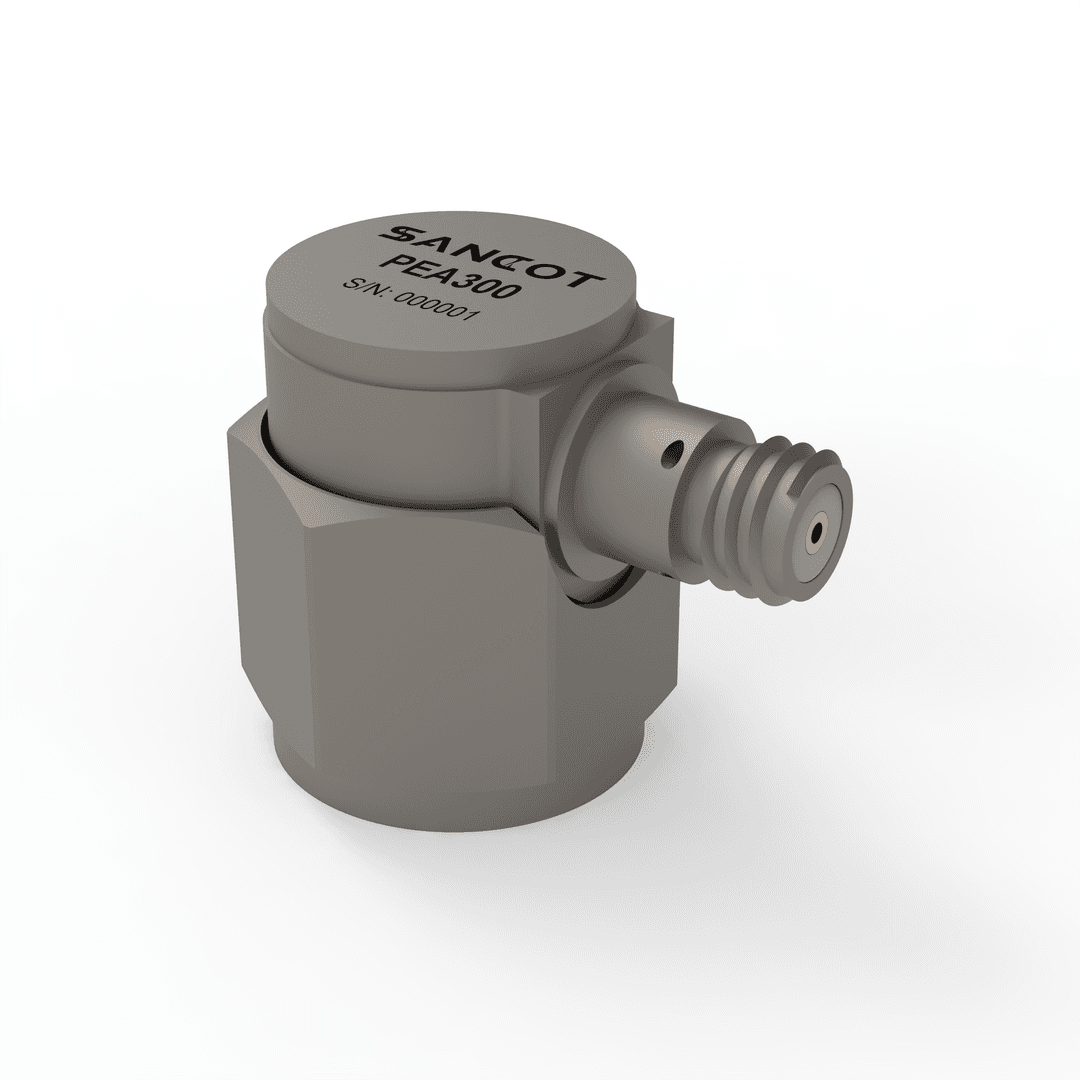
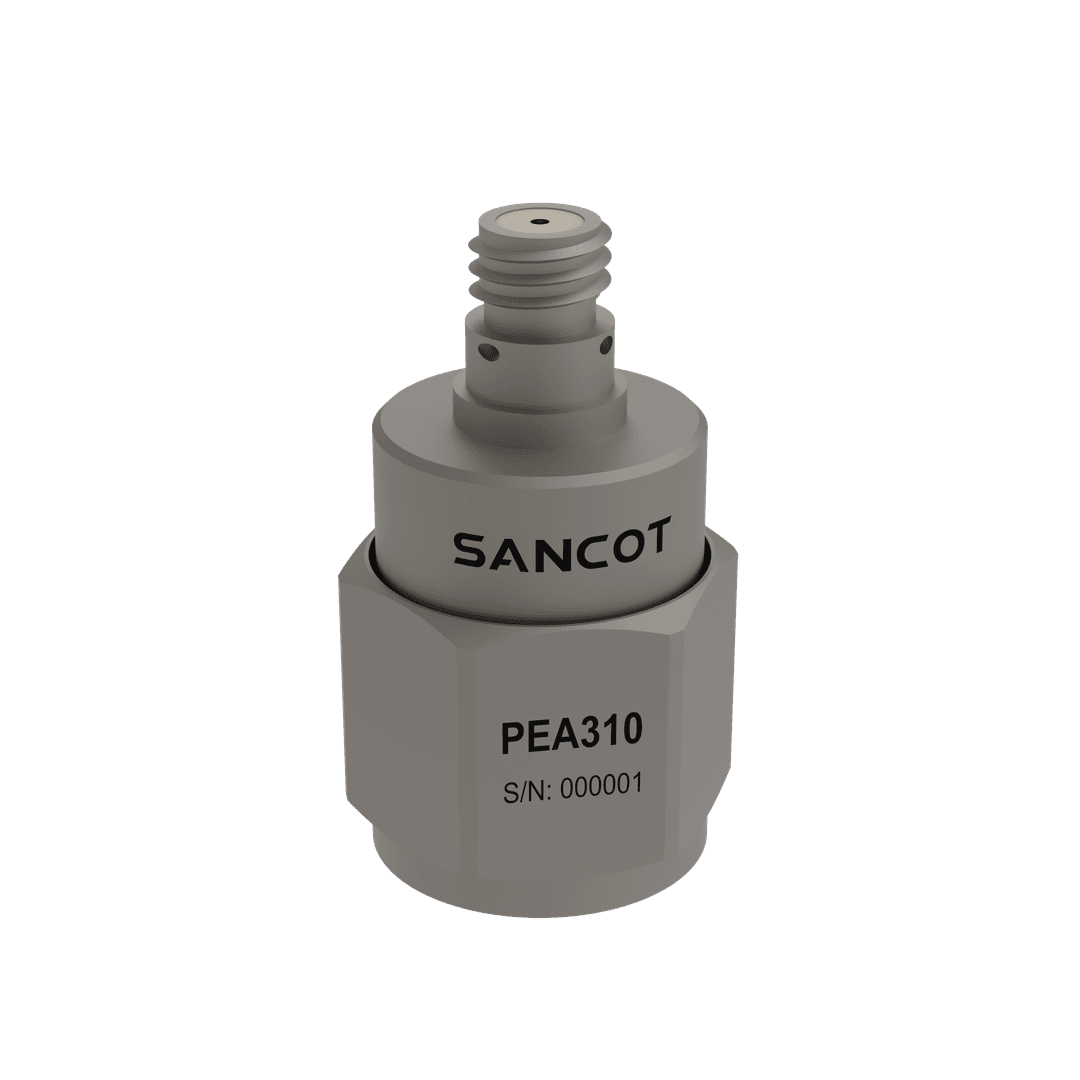
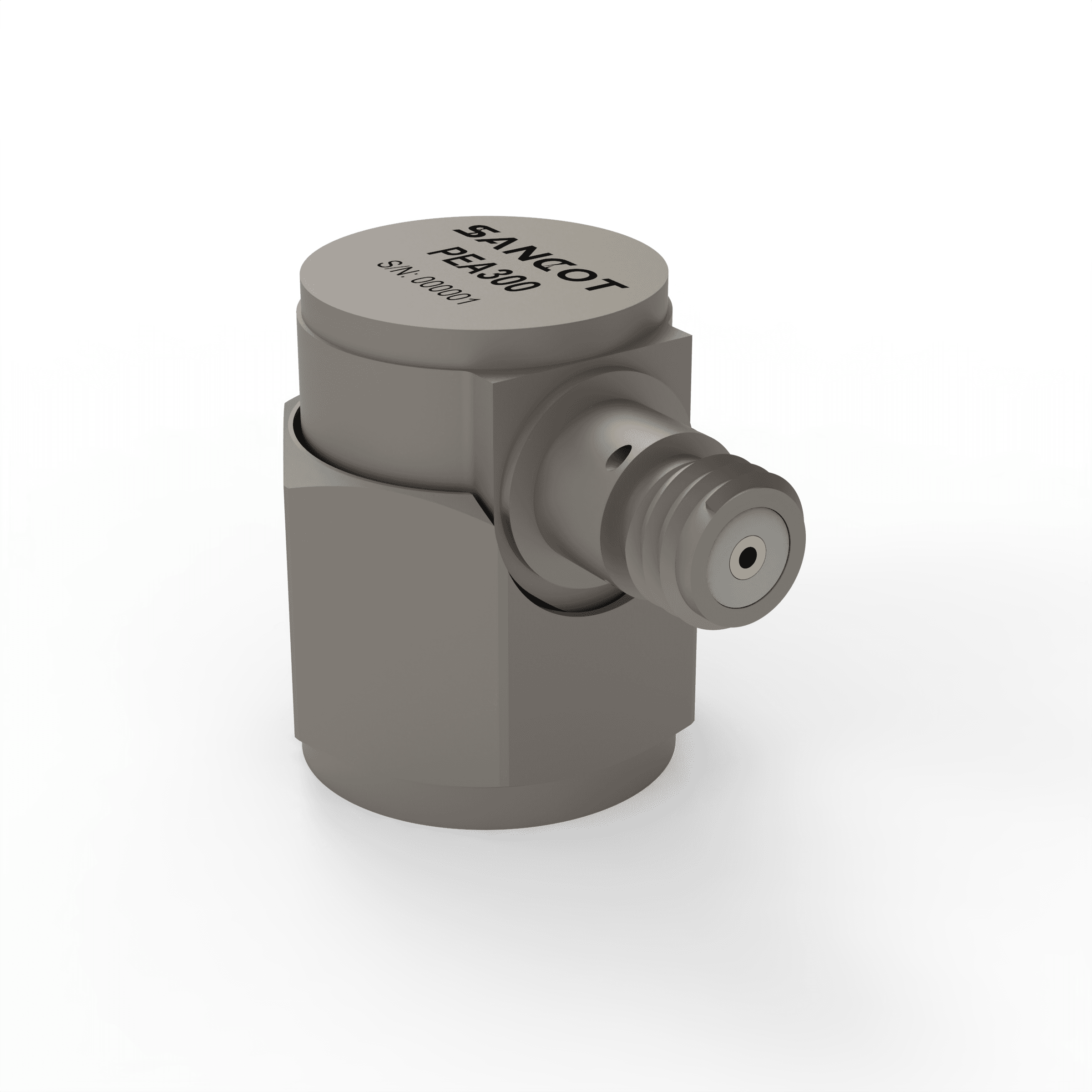 PEA300 / 10-32 COAXIAL
PEA300 / IN DETAIL
Compact construction. A clear signal path.
A planar shear ceramic element and integrated IEPE amplifier, with a titanium housing and an electrically isolated mounting base.
- Side-mounted 10-32 coaxial connector
- Six measurement ranges
- Specifications and mounting information together
02 / APPLICATIONS
Selection starts with real conditions.
Define the test object, signal characteristics and available space, then match the sensor to the acquisition system.
Modal analysis & dynamic testing
Consider sensor mass, mounting and frequency response, then evaluate PEA300 range and sensitivity.
Explore product specificationsEquipment vibration monitoring
Define the mounting location, operating temperature, cable routing and input interface.
Low-frequency & DC acceleration
Define the lowest frequency, acceleration range and noise requirements to evaluate capacitive MEMS sensing.
03 / RESOURCES
From specifications to measurement.
Selection, mounting and signal integration belong to the same measurement chain.
R23B · Chinese · 2 pages
01How do I choose range and sensitivity?
Estimate the maximum acceleration and required frequency band, then check sensitivity, acquisition input range and noise requirements. Compare the six PEA300 ranges: ±10, ±25, ±50, ±100, ±250 and ±500 g.
02What should I check before connecting IEPE?
Check the constant-current excitation, compliance voltage, bias voltage and input range of your signal conditioner or acquisition device. PEA300 requires 2–20 mA constant current and 18–30 VDC compliance voltage. Current limiting is required.
03Why do mounting and cable routing matter?
The mounting surface, fastening method and cable loading affect measurement conditions. Check dimensions and interfaces before installation, verify mechanical fit, and route cables to avoid loading the connector.
LET’S TALK MEASUREMENT
Your next measurement starts with a clear brief.
Tell us the object, range, frequency band and mounting conditions.